
 English
 中文简体
中文简体 Español
 عربى
عربى
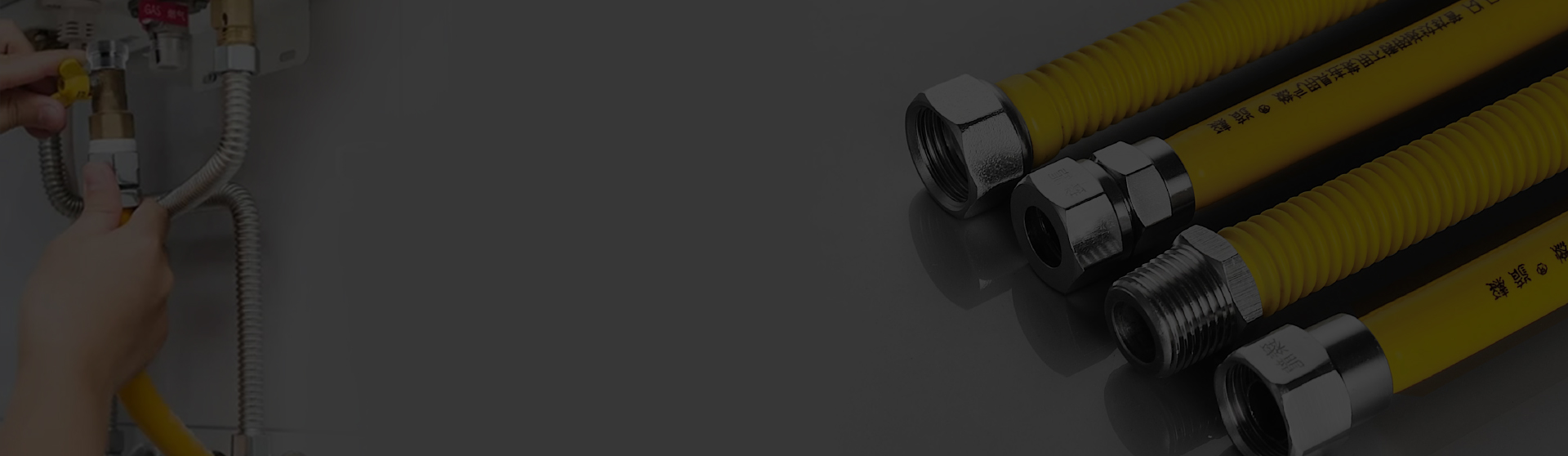

Elegir lo correcto manguera corrugada de acero inoxidable Todo se reduce a tres factores decisivos: calidad del material (304 frente a 316L), clasificación de presión adaptada a su aplicación y si necesita una capa exterior trenzada para mayor protección contra explosiones. Si su sistema utiliza productos químicos, agua de mar o vapor, seleccione siempre 316L con un acabado de manguera de metal trenzado. Para líneas estándar de gas o agua bajo presión moderada, la manguera de metal corrugado 304 es una solución confiable y rentable.
Esta guía recorre todas las dimensiones de la selección, desde grados de aleación y opciones de accesorios finales hasta las mejores prácticas de instalación, basándose en parámetros de ingeniería reales utilizados por los principales fabricantes de mangueras metálicas de todo el mundo. Ya sea que esté obteniendo un manguera flexible de acero inoxidable para un aparato de gas, una línea industrial de alta presión o un conjunto de manguera de metal corrugado para compensación de expansión térmica, la elección correcta protege su sistema y reduce los costos de mantenimiento a largo plazo.
Contenido
- 1 ¿Qué es una manguera corrugada de acero inoxidable y cómo funciona?
- 2 Criterios clave de selección: presión, temperatura y compatibilidad de fluidos
- 3 Comprensión de la construcción de mangueras corrugadas: anular, helicoidal o de fuelle
- 4 Estándares de accesorios finales, conexiones y conjuntos de mangueras de metal corrugado
- 5 Manguera flexible de acero inoxidable para aplicaciones de gas: seguridad y cumplimiento
- 6 Manguera de expansión de acero inoxidable: gestión del movimiento térmico en sistemas industriales
- 7 Manguera corrugada industrial: aplicaciones en sectores clave
- 8 Mejores prácticas de instalación: prevención de los modos de falla más comunes
- 9 Cómo evaluar un fabricante de mangueras metálicas: indicadores de calidad que importan
- 10 Mantenimiento, inspección y extensión de la vida útil
- 11 Preguntas frecuentes
¿Qué es una manguera corrugada de acero inoxidable y cómo funciona?
A manguera corrugada de acero inoxidable es un componente de tubería flexible cuya pared está formada por una serie de crestas y valles uniformes: las corrugaciones. Este perfil ondulado no es decorativo. Le da al tubo la capacidad de doblarse, comprimirse, extenderse y absorber vibraciones sin agrietarse, tareas que una tubería rígida simplemente no puede realizar sin introducir juntas o bucles de expansión adicionales.
El tubo corrugado interior generalmente se fabrica a partir de una tira de acero inoxidable austenítico que se lamina y luego se corruga anularmente (ondas en forma de anillo) o helicoidalmente (espiral continua). Las corrugaciones anulares ofrecen una flexibilidad lateral superior y son estándar para aplicaciones de alta presión o ciclo alto. Las corrugaciones helicoidales son más económicas y adecuadas para la transferencia de fluidos a baja presión.
A manguera de metal trenzado Agrega una o más capas de trenza de alambre de acero inoxidable entrelazadas sobre el núcleo corrugado. Esta trenza actúa como un refuerzo de contención de presión, aumentando drásticamente la presión de estallido y al mismo tiempo protege las corrugaciones de la abrasión mecánica. Para la mayoría de las aplicaciones industriales por encima de 10 bar, la construcción de una sola trenza es estándar; por encima de 40 bar se recomienda doble trenzado.
Puntuación de resistencia a la corrosión por grado de material (0–100)
El acero inoxidable 316L alcanza una puntuación de resistencia a la corrosión aproximadamente 25% superior a 304 debido a su contenido de molibdeno, que resiste las picaduras de cloruro, un modo de falla clave en ambientes costeros, marinos y químicos. El acero inoxidable 321, estabilizado con titanio, funciona bien en ciclos de alta temperatura por encima de 400 °C, donde el estándar 304 puede sufrir sensibilización. Para la mayoría de uso general manguera flexible de acero inoxidable aplicaciones, 304 sigue siendo completamente adecuado y representa el estándar de la industria para tuberías domésticas y comerciales livianas.
Criterios clave de selección: presión, temperatura y compatibilidad de fluidos
Seleccionar la especificación de manguera incorrecta es la principal causa de fallas prematuras en el campo. Los tres parámetros no negociables son la presión de trabajo máxima permitida (MAWP), el rango de temperatura de funcionamiento y la compatibilidad de medios. El sobredimensionamiento de la presión aumenta el costo; el subdimensionamiento causa fallas catastróficas. Diseñe siempre hasta al menos un Factor de seguridad 4:1 entre la presión de rotura y la presión de trabajo para servicio de gas, y 3:1 para servicio de líquido.
| Tipo de manguera | Presión máxima de trabajo | Rango de temperatura (°C) | Aplicación típica |
|---|---|---|---|
| corrugado sin trenzar | Hasta 10 bares | -196 a 600 | Gas doméstico, climatización, vapor a baja presión. |
| Ondulado de una sola trenza | Hasta 40 bares | -196 a 600 | Proceso industrial, dosificación de químicos, tratamiento de agua. |
| Corrugado de doble trenza | Hasta 160 bares | -196 a 550 | Hidráulica de alta presión, vapor, petróleo y gas |
| Manguera de fuelle de acero inoxidable | Hasta 25 bares | -270 a 800 | Servicio criogénico, de vacío y de fatiga de ciclo alto |
La compatibilidad de fluidos merece la misma atención. La capa pasiva de óxido del acero inoxidable proporciona una amplia resistencia química, pero los ácidos reductores fuertes (clorhídrico, fluorhídrico) atacarán incluso al 316L. Para esos medios, consulte la tabla de corrosión específica para su combinación de aleación y temperatura. Un calificado fabricante de mangueras metálicas Siempre debe proporcionar datos completos de resistencia química a pedido.
Reducción de la presión de trabajo a medida que aumenta la temperatura: manguera 316L de trenza única
Esta curva de reducción ilustra una realidad crítica de la ingeniería: a medida que la temperatura de funcionamiento aumenta de 20 °C a 600 °C, la presión de trabajo permitida de una sola trenza manguera corrugada de acero inoxidable cae de 40 bar a aproximadamente 14 bar: una reducción del 65%. Esto sucede porque el límite elástico del acero inoxidable disminuye a temperaturas elevadas, lo que reduce la capacidad de contención de presión de la trenza. Ingenieros especificando manguera metálica de alta presión en servicio de vapor o proceso de alta temperatura siempre se debe aplicar el factor de reducción del fabricante para la temperatura de funcionamiento real, no solo los datos de temperatura ambiente.
Comprensión de la construcción de mangueras corrugadas: anular, helicoidal o de fuelle
La geometría de corrugación interna afecta profundamente la forma en que manguera de gas flexible de acero inoxidable El producto funciona bajo movimiento, presión y ciclos de temperatura. Comprender los tres perfiles principales le ayudará a adaptar la construcción al servicio.
Perfil corrugado anular
Las corrugaciones anulares son anillos cerrados independientes que discurren perpendicularmente al eje de la manguera. Esta geometría permite la flexión, compresión y extensión multidireccional. También distribuye la tensión de manera uniforme alrededor de cada corrugación, lo que resulta en un ciclo de vida alto, generalmente 100.000 a más de 1.000.000 de ciclos flexibles dependiendo de la amplitud y el radio de curvatura. La mayoría de los conjuntos de mangueras industriales de metal corrugado utilizan una construcción anular por este motivo.
Perfil corrugado helicoidal
Las corrugaciones helicoidales forman una espiral continua. Este diseño ofrece un orificio más suave para el flujo de fluido (menor caída de presión) y es más fácil de fabricar en longitudes largas y continuas. Sin embargo, tiene un índice de flexibilidad lateral más bajo en comparación con los perfiles anulares y es más susceptible a la tensión de torsión. helicoidal manguera de metal corrugado Se utiliza ampliamente en conexiones de aparatos de gas domésticos, conectores flexibles de HVAC y líneas de servicio de agua de baja presión.
Manguera de fuelle de acero inoxidable
A manguera de fuelle de acero inoxidable es una variante diseñada con precisión con corrugaciones más profundas y controladas formadas por hidroformado o laminado. Los fuelles están diseñados para aplicaciones que exigen un control preciso de la tasa de resorte, fuerzas operativas muy bajas o servicio criogénico. Son comunes en la industria aeroespacial, la fabricación de semiconductores y los sistemas de vacío. Las mangueras de fuelle aceptan un mayor movimiento de compresión y extensión axial por longitud de paso que los tubos corrugados estándar.
Radar de rendimiento: manguera anular, helicoidal o de fuelle
El gráfico radar revela perfiles de rendimiento claramente diferenciados para cada tipo de corrugación. La construcción anular lidera la durabilidad del ciclo flexible y el manejo de la presión, lo que la convierte en la opción preferida para exigentes. manguera corrugada industrial aplicaciones. El diseño helicoidal destaca por la suavidad del flujo y la rentabilidad, razón por la cual domina el sector residencial. manguera de gas flexible de acero inoxidable mercado. La construcción de fuelle está diseñada específicamente para escenarios de actuación criogénica y de precisión de baja fuerza donde ningún otro perfil compite. Seleccionar la geometría incorrecta para el ciclo de trabajo es un error de especificación común que conduce a grietas prematuras por fatiga.
Estándares de accesorios finales, conexiones y conjuntos de mangueras de metal corrugado
A manguera de metal corrugado assembly es más que la manguera en sí: es el sistema completo que incluye accesorios de extremo, trenzado y cualquier funda protectora o cubierta exterior. Los accesorios finales son el punto de fuga más frecuente en los sistemas de mangueras y representan una cantidad estimada 60-70% de todas las fallas en el campo en instalaciones de mangueras metálicas. Por lo tanto, la selección del ajuste y el método de fijación adecuados son fundamentales.
Tipos de accesorios de extremo comunes
- NPT macho/hembra (MNPT/FNPT) — Rosca de tubería cónica estándar, común en aplicaciones de plomería y gas en América del Norte.
- BSP (BSPP/BSPT) — Rosca de tubería estándar británica, frecuente en los mercados europeos y asiáticos para el servicio de agua y gas.
- Extremos bridados (ANSI/DIN/JIS) — Se utiliza para conjuntos de gran diámetro por encima de DN50 donde las conexiones roscadas no son prácticas o donde se requiere un desmontaje periódico.
- Acoplamientos de leva — Accesorios de desconexión rápida para aplicaciones de transferencia de fluidos que requieren intercambio frecuente de mangueras.
- Extremos para soldar a tope o para soldar a encaje — Conexión de la más alta integridad para tuberías de procesos críticos; soldado permanentemente al sistema.
Los métodos de fijación incluyen engarzado a máquina, soldadura orbital y soldadura TIG manual. La soldadura orbital produce la calidad de soldadura más consistente y repetible y es requerida por códigos como ASME B31.3 para aplicaciones de procesos de alta pureza. Un reputado fabricante de mangueras metálicas Realizará pruebas de presión en cada conjunto después de la fabricación y proporcionará documentación que incluye certificaciones de materiales (MTC), registros de soldadura y certificados de pruebas hidrostáticas o neumáticas.
Distribución de fallas en el campo de mangueras metálicas por causa raíz (%)
Este cuadro de distribución de fallas resalta que Los problemas relacionados con la adaptación representan casi dos tercios de todos los fallos en el campo. en conjuntos de mangueras de metal corrugado. Esto se debe principalmente a un engarzado deficiente, un acoplamiento inadecuado de la rosca, corrosión galvánica entre metales diferentes en la junta del conector o un torque excesivo que distorsiona la cara del sello del conector. El agrietamiento por fatiga, la segunda causa más importante con un 15%, casi siempre es el resultado de una geometría de instalación inadecuada, específicamente, mangueras instaladas en su radio de curvatura mínimo con carga vibratoria o cíclica adicional aplicada. Invertir en alta calidad manguera de metal corrugado assembly de un fabricante verificado con documentación de trazabilidad completa reduce directamente el riesgo en las cinco categorías.
Manguera flexible de acero inoxidable para aplicaciones de gas: seguridad y cumplimiento
el uso de manguera de gas flexible de acero inoxidable en edificios residenciales y comerciales está fuertemente regulado porque las fugas de gas suponen un peligro inmediato de incendio y explosión. Comprender el panorama de cumplimiento ayuda tanto a los instaladores como a los profesionales de adquisiciones a evitar retrabajos costosos o no conformidades peligrosas.
En Norteamérica, los tubos corrugados de acero inoxidable (CSST) para servicio de gas deben cumplir con ANSI LC-1/CSA 6.26 y contar con la aprobación de un laboratorio de pruebas reconocido como CSA, UL o ICC-ES. En Europa, EN 14800 cubre conjuntos de mangueras metálicas flexibles para aparatos de gas. Australia y Nueva Zelanda hacen referencia a AS/NZS 4645. Cada norma especifica el espesor mínimo de la pared, el radio de curvatura, la resistencia a la extracción del accesorio y los requisitos del ciclo de fatiga.
Un punto crítico de seguridad: manguera corrugada de acero inoxidable used for gas should never be installed in contact with bare concrete or masonry without a protective sleeve , ya que la humedad atrapada contra el acero inoxidable puede acelerar el agrietamiento por corrosión bajo tensión por cloruro con el tiempo. Muchas jurisdicciones también exigen la instalación de un conductor de conexión a tierra junto con el CSST para mitigar el daño del arco inducido por rayos.
Lista de verificación de mangueras de gas antes de la instalación
- Verifique que la manguera tenga la marca de listado nacional correcta para el servicio de gas en su jurisdicción.
- Confirme que el tamaño del orificio de la manguera sea suficiente para el caudal de gas requerido (BTU/h o kW) con la caída de presión de diseño.
- Verifique que la longitud instalada esté dentro del mínimo y máximo especificados por el fabricante.
- Asegúrese de que la manguera no pase a través de paredes, techos o pisos sin una funda o conducto protector aprobado.
- Instale un puerto de prueba de fugas aguas abajo y realice una prueba de presión antes de la puesta en servicio final.
- Conecte el CSST a la tierra eléctrica del edificio cuando lo requiera el código local.
Manguera de expansión de acero inoxidable: gestión del movimiento térmico en sistemas industriales
La expansión térmica es una de las fuerzas más subestimadas en las tuberías industriales. Una tubería de acero al carbono de 100 metros que opera entre la temperatura ambiente (20 °C) y la del proceso (350 °C) se expande aproximadamente 360 milímetros . Sin un elemento compatible, como un manguera de expansión de acero inoxidable o junta de fuelle: este movimiento genera enormes fuerzas axiales en anclajes, boquillas de equipos y soportes estructurales.
Una manguera de expansión de acero inoxidable absorbe este movimiento mediante la deformación elástica de sus ondulaciones. A diferencia de las juntas de expansión de caucho, una manguera de expansión de metal no se degrada con la exposición a los rayos UV, no requiere reemplazo periódico del elastómero y puede soportar temperaturas criogénicas tan bajas como -196 °C (servicio de nitrógeno líquido), así como aplicaciones de escape y vapor de alta temperatura.
Coeficiente de expansión térmica lineal (×10⁻⁶/°C) — Materiales de tubería comunes
El coeficiente de expansión térmica del acero inoxidable de 17,2 × 10⁻⁶/°C es notablemente más alto que el acero al carbono a 12,0 , lo que significa que los sistemas de tuberías de acero inoxidable en realidad requieren más compensación de expansión por metro de longitud de tubería que los sistemas equivalentes de acero al carbono. Es por esto que incorporar un manguera de expansión de acero inoxidable a intervalos regulares en tuberías largas de acero inoxidable (en particular, agua caliente, vapor y líneas de procesos químicos) no es una opción, sino una necesidad estructural. El gráfico también ilustra por qué el CPVC y termoplásticos similares, con coeficientes casi tres veces más bajos, rara vez se utilizan para servicios de alta temperatura donde se producirían grandes movimientos absolutos.
Manguera corrugada industrial: aplicaciones en sectores clave
Manguera corrugada industrial es uno de los componentes más versátiles en la ingeniería de procesos. Su capacidad para manejar simultáneamente presión, temperatura, medios corrosivos y movimiento lo hace indispensable en una gama de aplicaciones notablemente amplia. A continuación se detallan los sectores primarios y sus requisitos específicos.
| Industria | Aplicación típica | Grado recomendado | Requisito especial |
|---|---|---|---|
| Petróleo y gas | Conector de bomba, junta flexible del elevador | 316L, doble trenza | Servicio amargo H2S, API 6D |
| Procesamiento químico | Transferencia de ácido, dosificación de disolventes. | Acero inoxidable 316L / 321 | Revisión de compatibilidad química |
| Alimentos y bebidas | Líneas CIP, inyección de vapor. | 316L, electropulido | FDA/EC1935 contacto con alimentos, Ra ≤ 0,8 µm |
| Generación de energía | Bypass de vapor, escape de turbina | 321 SS, paredes gruesas | Fatiga de ciclo alto, ASME B31.1 |
| Servicios de construcción | Elevadores de gas, flexiones de aspersores | 304 SS, listado CSST | ANSI LC-1/EN 14800 |
| criogénico | LN2, manguera de transferencia de GNL | fuelles 316L | Resistencia al impacto, revestimiento al vacío |
Mejores prácticas de instalación: prevención de los modos de falla más comunes
Incluso un especificado correctamente manguera de metal trenzado fallará prematuramente si se instala incorrectamente. La mayoría de las fallas en el campo evitables se deben a cuatro errores de instalación: operar en el radio de curvatura mínimo o por debajo de él, instalar la manguera en torsión, desalinear la manguera para absorber movimientos de compensación para los que no fue diseñada y no soportar la manguera adecuadamente contra el hundimiento gravitacional.
Radio de curvatura mínimo
Cada manguera corrugada tiene un radio de curvatura mínimo (MBR) específico: la curva más cerrada que la manguera puede asumir sin deformación plástica de las corrugaciones. Es aceptable instalar una manguera en su MBR en condiciones estáticas; instalarlo en MBR con vibración dinámica adicional o ciclos de presión reduce drásticamente la vida por fatiga. Como regla general, Diseñe el radio de curvatura instalado para que sea al menos 1,5 veces el MBR indicado por el fabricante. para cualquier aplicación que implique vibración o movimiento repetido.
Evitar la torsión
Las mangueras de metal corrugado están diseñadas para soportar la flexión, la compresión/extensión axial y el desplazamiento lateral, pero son extremadamente sensibles a la torsión (torsión a lo largo del eje de la manguera). Incluso un pequeño giro introducido durante la instalación, como girar un accesorio de extremo con respecto al otro mientras se aprieta, puede provocar una deformación en forma de sacacorchos de las corrugaciones y acortar drásticamente la vida útil. Siempre coloque previamente los accesorios antes de apretarlos y marque una línea de referencia a lo largo de la longitud de la manguera para confirmar que no haya torsión antes del torque final.
Soporte y enrutamiento
Las mangueras con una longitud superior a aproximadamente 300 mm en servicio horizontal deben apoyarse en la mitad del tramo para evitar el hundimiento gravitacional, que crea un momento de flexión persistente en los accesorios de los extremos. Utilice abrazaderas de tubería adecuadas o soportes de silla con un revestimiento protector; nunca haya contacto desnudo de metal con metal entre la abrazadera y la superficie trenzada, ya que esto causa abrasión por desgaste. Dirija las mangueras lejos de bordes afilados, fuentes de calor y maquinaria en movimiento, a menos que estén equipadas con una funda protectora adecuada.
Cómo evaluar un fabricante de mangueras metálicas: indicadores de calidad que importan
Abastecerse de un calificado fabricante de mangueras metálicas No es simplemente una decisión comercial: es una decisión de seguridad de ingeniería. La calidad de las materias primas, los controles de producción y las pruebas determinan directamente si una manguera funciona de manera confiable en servicio o se convierte en un problema. Estos son los indicadores que separan a los fabricantes de alta calidad de los proveedores de productos básicos.
- Trazabilidad de materiales: Deben estar disponibles certificados de prueba completos (MTC) según EN 10204 3.1 o 3.2 para todos los materiales trenzados y de tubos corrugados. La trazabilidad de lotes aleatorios sin vinculación del número de calor es inadecuada para servicios críticos.
- Equipos de prueba internos: Fabricantes de renombre operan espectrómetros de lectura directa para verificación de aleaciones, probadores de flujo y fugas, equipos de prueba de presión hidrostática y bancos de pruebas de fatiga. Equipos como los hornos de hidrógeno de fusión de sólidos para el recocido brillante de conjuntos soldados garantizan una calidad metalúrgica constante.
- Escala de producción y continuidad: Un fabricante con múltiples líneas de conformado y soldadura puede mantener cronogramas de entrega y aplicar parámetros de proceso consistentes. Una operación de una sola línea tiene un mayor riesgo de extender los plazos de entrega y la variabilidad del proceso.
- Certificaciones: La certificación del sistema de gestión de calidad ISO 9001 es la base mínima. Las certificaciones específicas de aplicaciones como PED (Directiva de equipos a presión), ATEX o aprobaciones de calidad del sector (API, ASME) indican un fabricante acostumbrado a una disciplina de proceso rigurosa.
- Amplitud de rango: Un fabricante que cubre mangueras metálicas, tuberías de gas, accesorios de plomería, artículos sanitarios, válvulas y hardware relacionado en una sola instalación tiene una experiencia en procesos más profunda y puede suministrar componentes complementarios con estándares de calidad equivalentes, lo que simplifica la adquisición y la integración del sistema.
Criterios clave de evaluación del fabricante: peso relativo en la decisión de adquisición (%)
La trazabilidad de materiales ocupa constantemente el primer lugar entre los profesionales de adquisiciones de ingeniería porque permite directamente la investigación de fallas y el cumplimiento de la garantía. La capacidad de prueba viene en segundo lugar: un fabricante que no puede probar lo que produce no puede garantizar la conformidad. Las certificaciones, si bien son importantes para el cumplimiento normativo, ocupan el tercer lugar porque un certificado ISO documenta el sistema de calidad pero no sustituye los datos de prueba verificados. En conjunto, estos tres criterios principales representan la mayor parte del riesgo relacionado con la calidad en manguera corrugada industrial decisiones de abastecimiento.
Mantenimiento, inspección y extensión de la vida útil
La manguera corrugada de acero inoxidable no requiere mantenimiento frecuente en condiciones normales de funcionamiento, pero un programa de inspección estructurado extiende significativamente la vida útil y previene fallas inesperadas. El intervalo de inspección depende de la gravedad de la aplicación: las conexiones de bombas con mucha vibración pueden justificar una inspección trimestral, mientras que las juntas de expansión térmica estática en sistemas de ciclo bajo pueden revisarse anualmente.
La inspección visual debe verificar: decoloración de la superficie (que indica variaciones de temperatura excesiva), manchas de corrosión en los accesorios (que indican posible corrosión por grietas), patrones de desgaste por abrasión en la trenza exterior (que indican contacto con estructuras adyacentes) y cualquier distorsión o aplanamiento del perfil corrugado (que indica operación por debajo del radio de curvatura mínimo o sobrecarga torsional).
Además, las mangueras utilizadas en el servicio de gas deben someterse a una prueba de fugas con una solución de agua jabonosa aprobada o un detector de gas electrónico en todos los accesorios y puntos accesibles a lo largo de la manguera. Incluso una filtración menor en una junta de conexión de una manguera de gas representa un grave peligro para la seguridad y requiere el reemplazo inmediato del conjunto en lugar de intentar volver a apretarlo, lo que puede propagar el daño.
Intervalos de reemplazo planificados en lugar de estrategias de funcionamiento hasta el fallo, se consideran las mejores prácticas para mangueras de servicios críticos. Para trabajos con ciclos altos o altas temperaturas, muchos ingenieros de plantas especifican el reemplazo entre el 50% y el 70% de la vida de fatiga indicada por el fabricante, generando un margen de seguridad conservador que toma en cuenta la variabilidad inherente en las condiciones operativas reales versus los parámetros de prueba de laboratorio.
Preguntas frecuentes
P1. ¿Por qué mi manguera corrugada falló prematuramente?
La falla prematura es causada más comúnmente por una instalación por debajo del radio de curvatura mínimo, tensión de torsión durante el ajuste del accesorio o una falta de coincidencia entre la clasificación de presión/temperatura especificada y las condiciones de operación reales. Siempre confirme que la manguera esté instalada sin torceduras y con suficiente espacio libre de las estructuras adyacentes para evitar el desgaste por abrasión con el tiempo.
P2. ¿Por qué mi manguera de metal tiene fugas en el conector?
Las fugas en los accesorios generalmente son causadas por un acoplamiento inadecuado de la rosca, un ajuste excesivo que deforma la cara del sello o corrosión galvánica entre metales diferentes en la junta. Asegúrese de utilizar la forma de rosca correcta (NPT, BSP o métrica) y de aplicar sellador de roscas o cinta de PTFE donde se especifique. Si el cuerpo del accesorio presenta picaduras o manchas de óxido, reemplace todo el conjunto.
P3. ¿Qué causa el agrietamiento por fatiga de la manguera?
fatiga cracking in the corrugation wall is almost always the result of excessive dynamic bending amplitude, vibration frequency exceeding the hose's natural damping capacity, or operating at the minimum bend radius under cyclic load. Inspect for fine transverse cracks at the outer corrugation crests. If cracking is found, replace the hose immediately and redesign the installation to reduce the bending amplitude.
P4. ¿Por qué se agrietan las mangueras de acero inoxidable en ambientes costeros?
El agrietamiento por corrosión bajo tensión (SCC) de cloruro es la causa principal. El aire cargado de sal deposita iones de cloruro en la superficie del acero inoxidable, lo que, en combinación con tensiones de tracción y temperaturas superiores a aproximadamente 50 °C, puede iniciar el agrietamiento transgranular incluso en 316L. Las medidas de mitigación incluyen fundas protectoras, lavado regular y consideración de grados de aleación más altos, como dúplex 2205 o 316L con un tratamiento de pasivación para instalaciones severamente expuestas.
P5. ¿Cómo puedo evitar daños por vibración en la manguera?
Instalar the hose in a U-loop or S-configuration rather than a straight run between two vibrating elements, so the corrugations absorb movement through bending rather than torsion or direct axial cycling. Use vibration-isolating clamps at support points, maintain the installed bend radius above 1.5× the minimum bend radius, and select a hose length that provides adequate compliance without excessive unsupported span. For extremely high-vibration pump connections, consider double-braid construction for added damping.
P6. ¿Cuál es la diferencia entre 304 y 316L para manguera corrugada?
El acero inoxidable 304 es el grado estándar para servicios generales de agua, gas y productos químicos moderados, y ofrece un buen equilibrio entre resistencia a la corrosión y conformabilidad. El 316L agrega aproximadamente entre un 2% y un 3% de molibdeno, lo que mejora significativamente la resistencia a las picaduras de cloruro y a la corrosión por grietas, lo que lo convierte en la opción adecuada para agua de mar, soluciones salinas, medios de proceso ácidos e instalaciones costeras. El sufijo "L" indica un bajo contenido de carbono, lo que reduce el riesgo de sensibilización en conjuntos soldados.
P7. ¿Cuánto dura una manguera corrugada de acero inoxidable?
La vida útil varía ampliamente según la gravedad de la aplicación. En servicio de expansión térmica estática sin carga dinámica, una manguera correctamente especificada e instalada puede durar 20 años o más. En el servicio de conector de bomba de ciclo alto, la vida útil de diseño puede especificarse entre 1 y 5 millones de ciclos, lo que equivale a entre 3 y 10 años, según la frecuencia de los ciclos. La inspección periódica y el cumplimiento de las pautas de instalación del fabricante son los medios más eficaces para lograr la máxima vida útil.
P8. ¿Se requiere una manguera metálica trenzada para el servicio de gas?
Para conexiones de aparatos de gas natural y GLP en la mayoría de aplicaciones residenciales y comerciales, se permite una manguera corrugada de acero inoxidable no trenzada listada según la norma nacional aplicable (ANSI LC-1, EN 14800, etc.) a las presiones relativamente bajas involucradas (normalmente por debajo de 0,5 bar). Para servicio de gas industrial a presiones más altas, se recomienda encarecidamente el uso de malla para margen de presión de rotura y protección mecánica. Siempre verifique el código nacional específico y los requisitos de listado aplicables a su ubicación y aplicación.
